
Ha Noi targets 30% public transport use to ease traffic congestion
VGP - Ha Noi set a goal of meeting at least 30 percent of travel demand through public transport by 2030 as part of efforts to ease mounting traffic congestion.
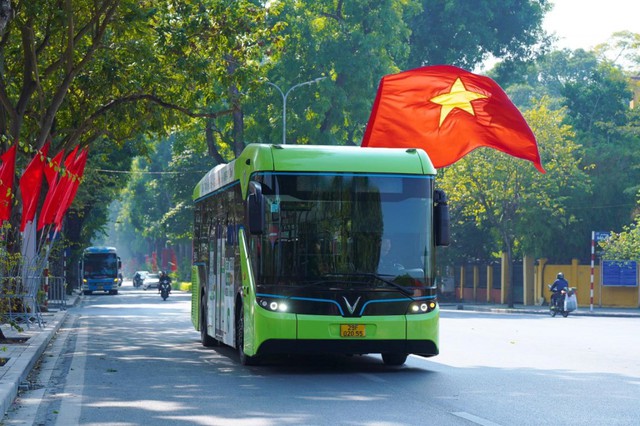
Illustration photo
Rapid growth in private vehicles, coupled with increasing traffic from neighboring provinces, has put significant strain on the capital's transport infrastructure, posing a major challenge to socio-economic development.
The city is now home to around 8.8 million people and more than 9.3 million vehicles, of which motorbikes account for over 86 percent. Vehicle numbers are rising by approximately 4–5 percent annually, far exceeding the modest 0.35 percent yearly expansion of transport infrastructure.
Currently, land dedicated to transport infrastructure makes up only about 12.2 percent of Ha Noi's total area, well below planning targets, while parking space accounts for just 0.65 percent. This imbalance has led to frequent overloads on many roads, particularly during peak hours.
To address these challenges, Ha Noi has rolled out a comprehensive plan for the 2025–2030 period, built around 10 key solution groups. These include enhancing policies to attract investment in transport infrastructure, aligning traffic planning more closely with urban development, and accelerating the construction of ring roads, radial routes and bridges spanning the Red River.
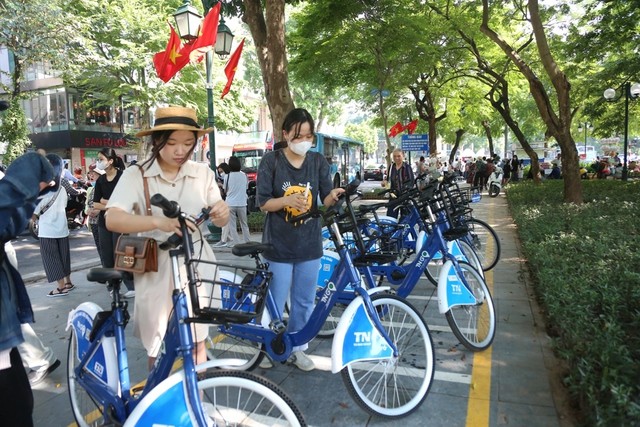
Illustration photo
The city also plans to complete around 100 km of urban railway lines between 2026 and 2030, with the network expected to expand to 301 km in subsequent phases. At the same time, efforts will be made to improve public transport services and integrate smart technologies into traffic management.
Additional measures under consideration include restricting private vehicle use, designating zones with limited motorbike access, and introducing congestion charges in heavily trafficked areas. Authorities are also stepping up enforcement against illegal parking and pavement encroachment, while deploying traffic police near schools during peak periods.
In the long term, Ha Noi aims to further expand its transport infrastructure, complete major ring roads, and develop bus rapid transit (BRT) and urban railway systems, alongside the application of intelligent transport technologies such as surveillance cameras and real-time traffic information systems.
The plan also includes launching 20–24 new green bus routes and constructing nine bridges across the Red and Duong rivers, with the goal of gradually eliminating major traffic bottlenecks by 2030./.