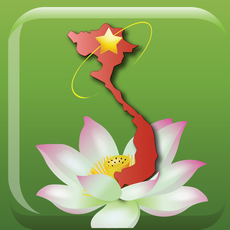
Overview of S-shaped VN
VGP - The S-shaped country of Viet Nam is located in the heart of Southeast Asia. With an area of 331,698 sq.km, of which three-fourths is mountainous and hilly regions, a coastline of 3,260 km and a tropical monsoon climate, Viet Nam boasts abundant natural resources.
 |
|
The S-shaped country of Viet Nam is located in the heart of Southeast Asia |
Recent archaeological excavations have proved the existence of human beings on Viet Nam’s territory since the Old Stone Age (300,000-500,000 years ago). Habitation started in the mountainous areas and then moved to the plains over time. Generation after generation reclaimed land for cultivation and formed the civilisation based on wet rice cultivation, which lead to the development of myriad of village cultural identities.
In the Bronze Age, the Dong Son culture – a unique and highly developed civilisation – took shape. Enduring for thousands of years, the Dong Son culture was influenced by the cultures of China and the West. Buddhism, Confucianism and other religions penetrated Viet Nam, carrying with them various cultural features.
However, Viet Nam has maintained its own unique cultural characteristics. Vietnamese people prefer the beliefs tied to worshiping the fertility of nature (such as worshiping the Holy Mother, sacred animals) and with communal houses, wells and banyan trees at their centres, encircled by ramparts of bamboo trees.
In lower mountainous regions, ethnic groups plant both rice and perennial industrial crops. They mainly live in stilt houses and wear indigo clothes embroidered with patterns depicting forest flowers and wild beasts.
In the north-western and the Central Highlands regions, the inhabitants engage in slash and burn agriculture. Living in untamed forests and remote mountain areas, practicing primitive cultivation techniques, locals have created and developed mystical and fanciful rituals, which have given birth to numerous legends and epics.
Along the coastline from the North to the South, most of the residents live off the fruits of the sea, which requires them to toil industriously year round, as farmers tending fields of rice paddies only need do during harvests.
Although each ethnic group has its own language, the country’s official tongue is Vietnamese, which has monosyllabic features and is richly descriptive and expressive.
Most Vietnamese ethnic groups are fond of poetry and literature. Art forms such as folk song, love duet song, ca tru (ceremonial song), classical drama, traditional operetta and puppetry are very popular. Viet Nam has around 50 sets of traditional musical instruments, among which those in the percussion family (including bronze drums, gongs, and stone instruments) are the most popular and diverse, with the longest history.